Allan, a member of the Palm Island Aboriginal Community, shares his childhood memories with a mix of nostalgia and reverence for his heritage. Born in the mid-1960s, Allan recalls a time when the world was in turmoil with the Vietnam War, yet his childhood was filled with moments of peace and familial connection. Growing up with four brothers and five sisters, Allan's family life was vibrant and nurturing. "We grew up to listen and taught how to be respected," he says, reflecting on the lessons instilled in him by his parents and community.
Life on Palm Island was a blend of play and responsibility. Allan recalls, "We just have to go on doing what every normal kid would do. Just go and play and do some better chores." His parents, often away for work, left Allan and his siblings in the care of other families, teaching them the value of community and respect.
Allan's father, a craftsman, inspired him with his artistry. "I started learning something from him, doing a bit of painting when he was doing all these shields," Allan remembers. This connection to his father's work instilled in him an appreciation for cultural artifacts and the stories they carry.
Despite the challenges of growing up apart from his parents at times, Allan's story is one of resilience. He honors the traditional custodians of the land and expresses gratitude for the community that supported his upbringing. "So for pay my respect to the dur people here in the country for having us here," Allan remarks, acknowledging the deep ties to the land and its people.
Through his storytelling, Allan paints a picture of a childhood rich with cultural identity, family bonds, and the resilience to overcome life's challenges.
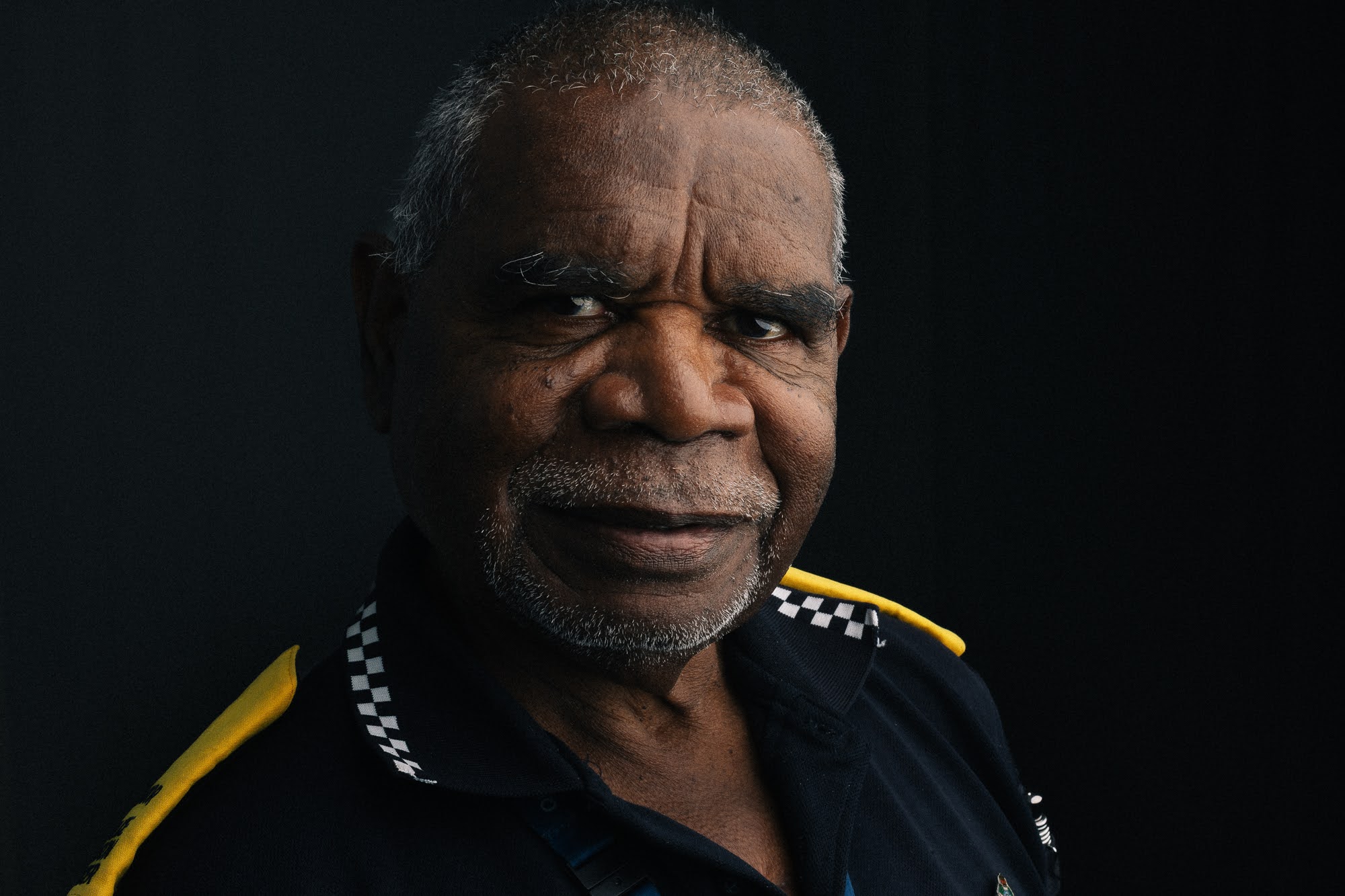
Allan Palm Island
Palm Island (Bwgcolman Country)
PUBLIC-ARCHIVE-CONFIRMED. Allan Palm Island, age 50 (b. ~1975), Manbarra Traditional Owner Director on the PICC Board (the inaugural holder of that position). In his own words: "I began to learn about my culture from as young as eight years, and this started with my father. He would, over the years, teach me first about the stories of the Nanggarra Wanggarra people and my connection to country (Manbarra). My art depicts the land and animal and sea life and within the art is the spiritual connection to our ancestors which includes my father and my mother's country and they carrying on of knowledge through these artworks." Trained at Cairns College of TAFE (Arts and Craft), continued at Casuarina University (Charles Darwin University, NT), and completed Master of Fine Arts at RMIT University Melbourne in 1999. As Manbarra, Allan represents the original Traditional Owners of Palm Island — the Manbarra were forcibly moved off the islands in the 1890s by the Queensland Government, before the 1914 reserve gazetting brought the Bwgcolman peoples. PICC Acknowledgement of Country (2023-24 Annual Report) names Allan as Manbarra Director and recognises both the Manbarra (Traditional Owners) and the Bwgcolman (descendants of those forcibly removed) — "Bwgcolman" meaning "many tribes, one people" (per Jeanie Sam, Manager of PICC Children and Youth Services). KINSHIP LEAD (Tuesday 2026-04-28): "Dick Palm Island" was the Manbarra elder credited with coining the term Bwgcolman ("many tribes, one people") to give a collective identity to the 46 forcibly relocated groups. Allan Palm Island shares the surname pattern (adopted from country) and the Manbarra identity — possible direct lineage. Worth confirming with Allan Tuesday. ADDITIONAL ARCHIVE CONFIRMATION (Trove): At the opening of the Palm Island Cultural Precinct on 24 February 2012 (Torres News, 14 March 2012), Allan Palm Island welcomed politicians and hundreds of community members "to country" as the local Manbarra elder — before the Tom Geia Snr Memorial Bridge was unveiled. Direct documentary evidence of Allan in his Manbarra Traditional Owner role over a decade before the PICC Board appointment.
Stories like this matter
Help amplify voices from communities that deserve to be heard. Share this story or stay connected for more.